“Karolina met with us regularly. Together, we designed an experience that was practical, playful, and deeply relevant”
Dr Anna Czekirda
Vice Chancellor, Business School, Gorzów Wielkopolski
The challenge
Students couldn’t connect sustainability to their future work
WSB University in Gorzów Wielkopolski has spent almost 30 years preparing students for the real world. They saw the landscape shifting: sustainability was becoming a non-negotiable for business survival.
The Vice chancellor didn’t need someone to tell them why it mattered. They needed help making it land. A previous course on renewable energy was well-designed and practical — but students hadn’t yet started working in the field, so they couldn’t see the value for themselves. The question wasn’t whether the content was good. It was how to make it tangible and relatable for students who either hadn’t yet run a business or have not started working for companies that need sustainability skills.
The Co-Lab approach
We focused on making connections, rather than teaching
We did not redesign a single course. Instead, we worked and experimented with building a bridge.
“What if we merged business planning with sustainability — but through the lens of what actually matters to students: making big decisions while running a company?”
That question aligned our thinking. Over a few months, we co-designed the experience. The school knew their students; we knew the content. Together, we found the sweet spot.
And we had a good group to test our ideas on the final year students.
We designed business mapping exercises
Rather than a lecture on the value of sustainability, we gave students a few tasks.
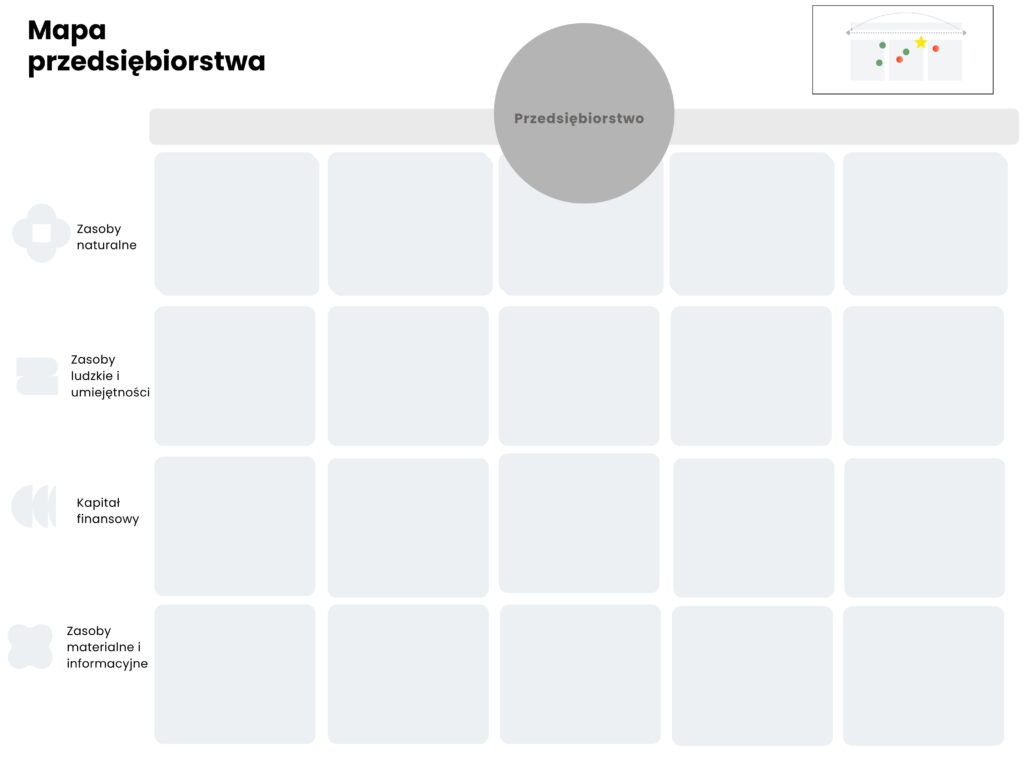
First, students designed a coffee shop. Different sizes, different markets, different visions. Then we asked them to take it apart — map every connection to the world it depends on, across the full value chain: extraction, manufacturing, distribution, use, end of life.
In effect, students mapped their coffee shop’s entire world, not just its walls.
Finally, using that map, they started making decisions about incoming changes — technological, legal, environmental, and societal.
A full room, zero silence, and students saying “We’d actually open this”
We had a quiet worry: Will students come for an extracurricular activity they know little about? Will silence grip the room?
36 out of 36 seats filled. We ran out of space. We couldn’t stop groups from talking. The buzz was real.
Three distinct coffee shops emerged: a small café with five staff, a social enterprise serving a specific community, and a corporate empire in the making.
Then came the aha moment. Students realized that for a business to thrive, it needs to know its dependencies—not just in operations, but through every section of the value chain, upstream and downstream. Once they saw the connections themselves, they noticed something profound: there is a two-way relationship between the world out there and the walls of their business.
“It is worth looking beyond the walls of one’s organisation.” — All groups
And then, something we didn’t expect:
“We would actually open this business we have just mapped out here.” — Group 3 (Social Enterprise)
Well-run sessions don’t just teach; they inspire. For the Vice-Chancellor, this was possibly the best feedback.
The Insight
The students weren’t uninterested; they just needed to see the connection
For the school leadership, this session offered more than just a full room. It provided a clear answer to a lingering doubt: Do our students actually care about sustainability?
The previous cold response to the renewable energy course suggested that interest and care are there. But this CO-LAB proved that wasn’t the issue. The issue was the connection.
When previous course was presented as a separate topic, and there was a low sign up, it could explain why students stayed away. But when we have woven sustainability into the business decisions they cared about—running a company, making a profit, building a brand—they leaned in.
The engagement gave WSB a vital sign: Interest is there, but it needs the right bridge.
It showed that if things are done differently—if the topic is made practical, relatable, and tied to their future careers—the appetite is not just present, it’s hungry. This wasn’t just a successful event; it was a validation of a new direction for their curriculum.
Student feedback confirmed the signal:
“Interesting. Activating exercises.” “We needed more space and more time.”
That last one isn’t a complaint. It’s a signal. The appetite is real. The framework works. But one session only opens the door to the bigger work as to how they could make more students lean in t the future skills and therefore new courses offered at WSB.
Explore a CO LAB partnership
Share your 12 to 24 month picture. If CO LAB is not right yet, we will say so.